Cataloging-as-a-service for regional auction houses

Every art lot, cataloged like it’s going to Sotheby’s.

Send us your sale; within 48 hours every art lot comes back with verified exhibition history, attribution checks, literature references, and a documented estimate — each finding cited to its institutional source.

48-hour turnaround · Flat per-catalog pricing · No contract

Received. We’ll reply within one business day with next steps for your first catalog.

LOT 214SALE 0847 · FINE ART
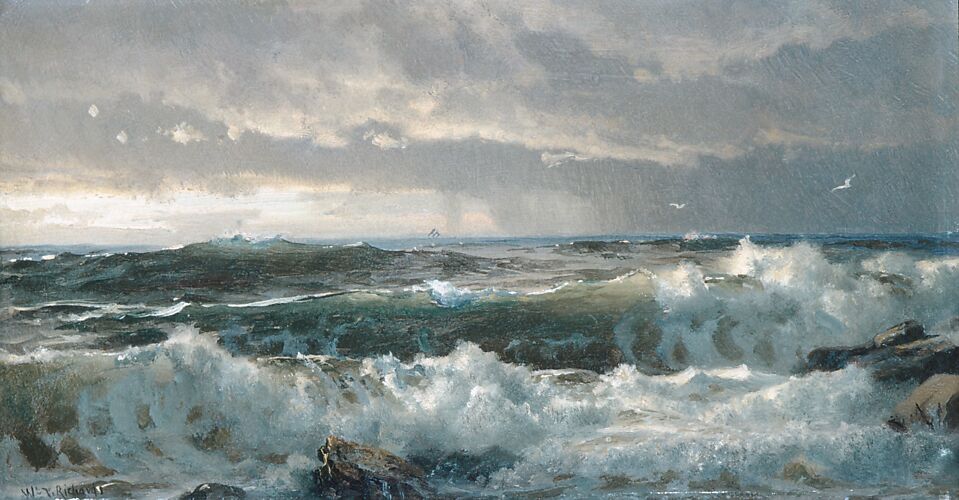
Oil painting of surf breaking on rocks — sample lot photograph

After the Storm, Gloucester Harbor

American School, 19th century oil on canvas, 18 × 30 in.

Attribution
William Trost Richards (1833–1905), confirmed against the artist’s recordverified
Exhibited
Pennsylvania Academy of the Fine Arts, Annual Exhibition, 1872, no. 143verified
Literature
Ferber, William Trost Richards: American Landscape and Marine Painter, 1980, cat. 87verified
Collection
Private collection, Philadelphia; by descent in the familyinference

Estimate $400–600 $1,000–1,500

DEEP CANON · VERIFIED
I.Provenance research doesn’t pay at $500 a lot. So on most sales, nobody does it.

II.Documented history moves hammer prices. One exhibition record can re-set an estimate.

III.Your catalogers are writing hundreds of lots a week. They don’t have a specialist bench.

How it works

Consign the research to us.

No new software, no workflow changes. Your lot list goes out; catalog copy comes back.

01

Send your sale

Forward your lot list with photos — spreadsheet, PDF, or the export from whatever you already use. Any format, any state.

02

We run the research

Every art lot is checked against museum records, catalogues raisonnés, exhibition histories, and documented comparable sales.

03

Publish with confidence

Catalog-ready lines, written in your house style, delivered before your deadline. Paste them in and go to sale.

Recent research

From recent catalogs.

Three lots, three categories — what the research returned, exactly as it read in the house’s catalog.

LOT 067Painting
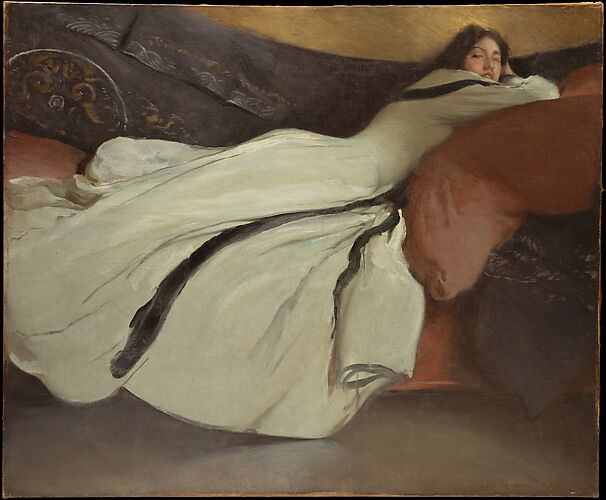
Repose, oil painting by John White Alexander

Repose

John White Alexander (1856–1915) · oil on canvas

Exhibited
Paris Salon, 1895; recorded in the artist’s exhibition historyverified

Estimate $1,500–2,500 $20,000–30,000

LOT 132Print
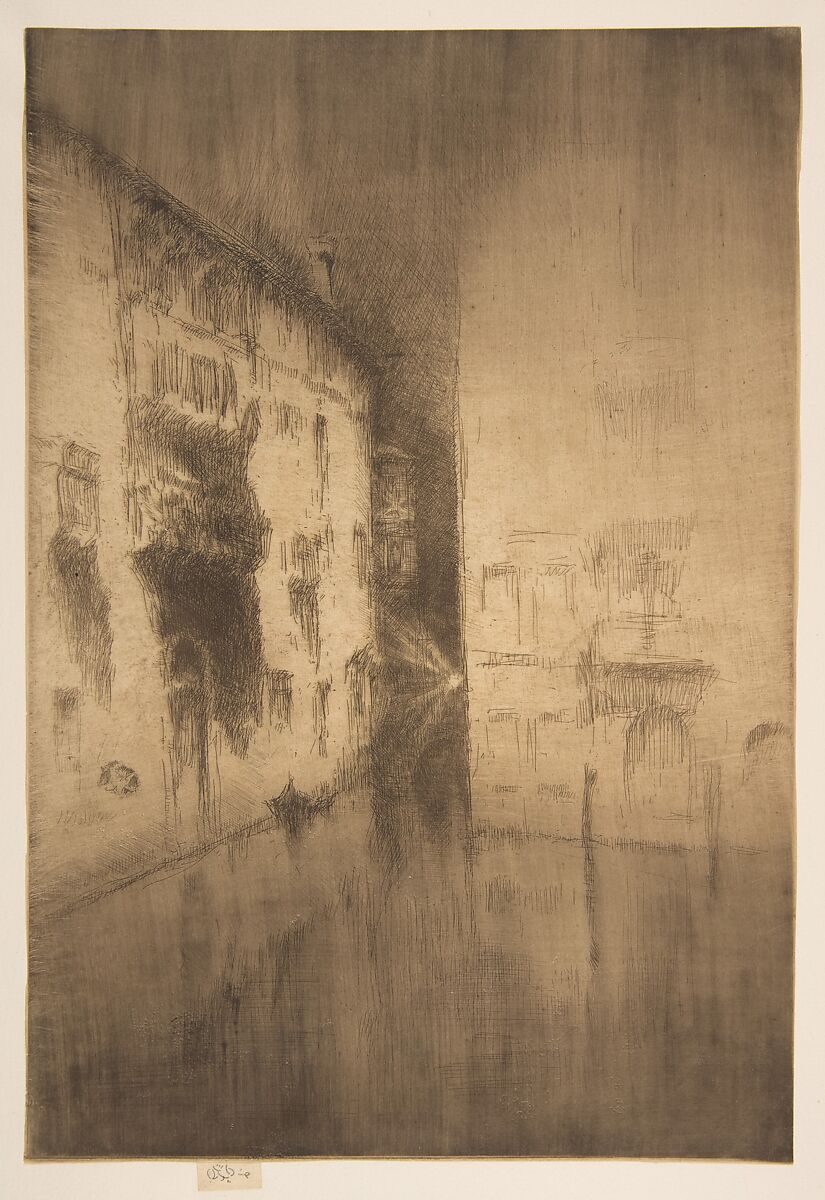
Nocturne: Palaces, etching by James McNeill Whistler

Nocturne: Palaces

James McNeill Whistler (1834–1903) · etching and drypoint

Edition
Kennedy 202; second state of nine, from the 1886 Venice Set publicationverified

Estimate $800–1,200 $6,000–8,000

LOT 289Sculpture
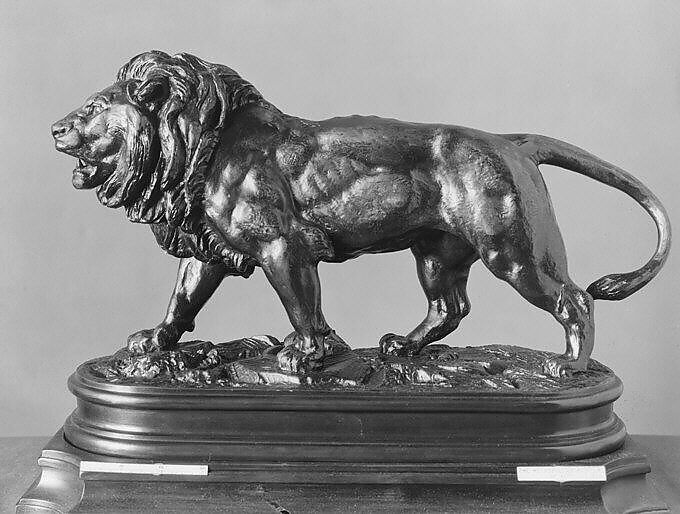
Walking Lion, bronze after Antoine-Louis Barye

Walking Lion (Le Lion qui Marche)

After Antoine-Louis Barye · bronze, brown patina

Attribution
Lacks the numbered punch mark of lifetime casts; cataloged as a posthumous foundry castinference

Estimate $12,000–18,000 $2,000–3,000

What you get

A full catalog entry, for every art lot.

Each lot returns with the fields a specialist department would produce — cited to source, ready to print.

Exhibited
Verified museum and institutional exhibition history, with venue, year, and catalogue number — the line that reads “Whitney Museum of American Art, New York, 1946, no. 12.”
Literature
Catalogue raisonné and published references — where the work, or its edition, appears in the scholarship.
Attribution
Confirmation against the documented record — or a plain-language red flag before it reaches your catalog: “signed Corot, but so were ten thousand others.”
Edition
Print-run and edition records for multiples: size, numbering conventions, publisher, and known variants.
Estimate memo
A recommended range built from comparable documented sales, with the comparables listed.

Every finding carries a confidence grade. Facts are marked verified and cited to their institutional source; inferences are labeled inference. We never dress a guess as a fact.

Sources

Cited to the institution, every time.

Findings are only as good as their sources. Ours are the ones a specialist would cite.

Museum collection records

Holdings, exhibition archives, and object files from museum collections — the record of where a work has hung and when.

Catalogues raisonnés & scholarship

The authoritative literature on an artist’s body of work — the reference that separates an attribution from a hope.

Publisher & estate records

Edition documentation from print publishers, foundries, and artists’ estates — sizes, numbering, and authorized variants.

Pilot offer

Your first catalog is free. Findings included.

Send an upcoming sale and see what the research returns. If we find nothing useful, you’ve lost ten minutes.

No contract · Flat per-catalog pricing after the pilot

Received. We’ll reply within one business day with next steps for your first catalog.

FAQ

Questions houses ask.


How fast is the turnaround?

48 hours from receiving your lot list to delivering catalog-ready research, for a typical weekly sale. Larger single-owner sales are scheduled in advance.

How is it priced?

A flat fee per catalog, quoted from your lot count before we start. No contract, no subscription, no per-lot surprises. Your first catalog is free.

What if you find nothing on a lot?

A clean pass is also information: it tells you the estimate stands and the copy is safe to print. You’ll see what was checked, so “nothing found” is a documented conclusion, not a shrug.

How do you handle uncertain attributions?

With confidence grades. A finding is marked verified only when it’s confirmed against an institutional source; anything short of that is labeled an inference with its reasoning shown. We never dress a guess as a fact — and we’ll flag an optimistic attribution before it reaches your catalog.

Can dealers or private collectors use this?

Our practice is built for auction houses and estate-sale professionals. We take a limited number of private commissions from dealers and collectors — write to us and we’ll see if it’s a fit.